Best Dog Boarding Tips for a Safe Stay
Use these dog boarding tips to compare care settings, supervision, total prices, health rules, trial stays, and packing before you book in San Diego.
Maria's PetBNB · 13 min read · Updated
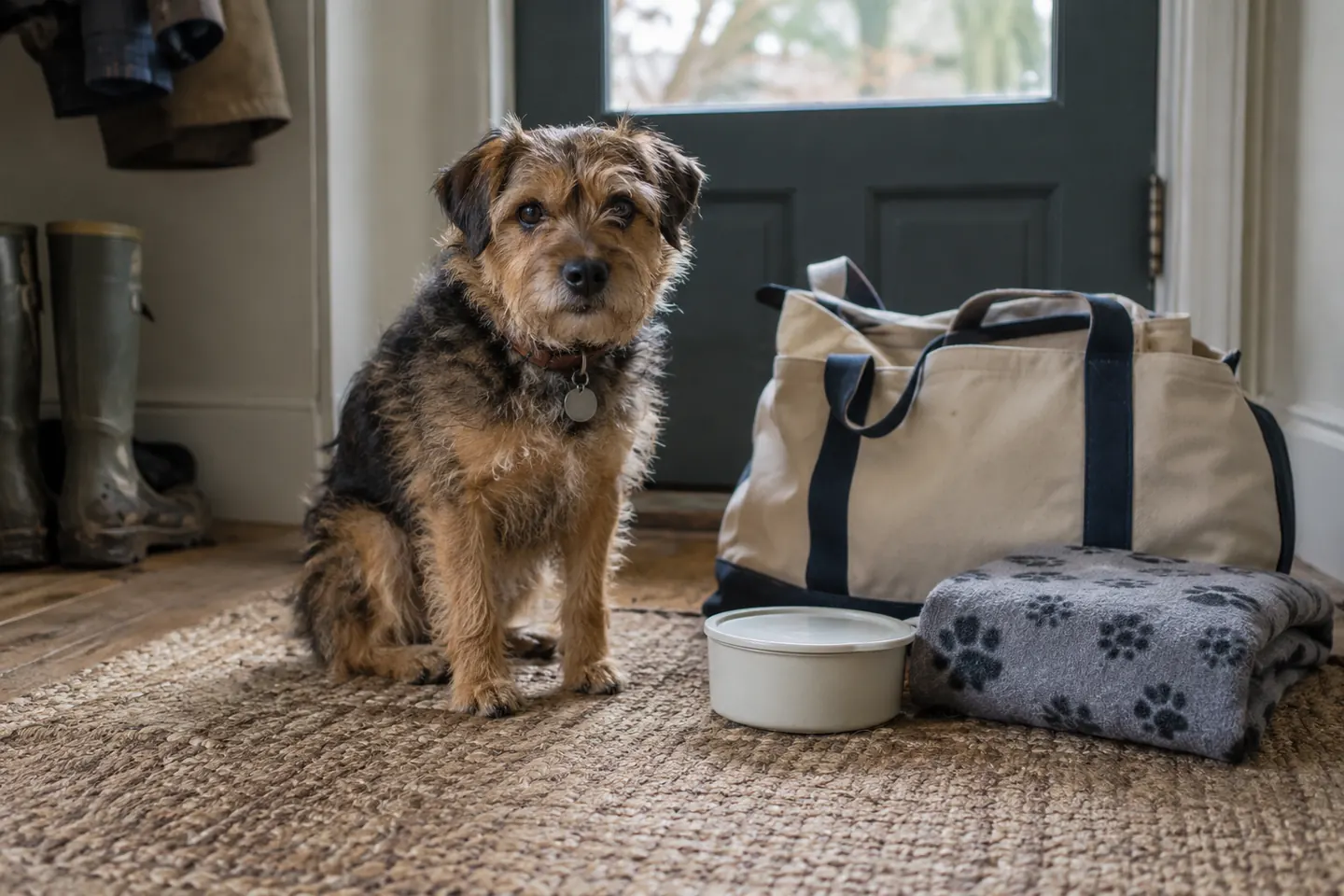
The suitcase is zipped, the food is portioned, and your dog has started following you from room to room. The hard part is no longer booking a trip. It is deciding what another person needs to know before you hand over the leash.
The best dog boarding tips start with one rule: compare the care your dog will receive, not the provider's label or cheapest nightly rate. Match the setting to your dog's health, size, social style, and sleep routine. Verify overnight supervision, health screening, emergency steps, owner updates, and the total price in writing. Then use a meet-and-greet and a short trial, when possible, to test whether the promising option works in practice.
Preparation cannot guarantee a problem-free stay. It gives the caregiver clearer information, exposes vague answers before travel day, and helps you choose between a home boarder, kennel, veterinary facility, house sitter, or marketplace sitter on the same criteria.
Last materially updated: August 17, 2026.
Disclosure: Maria's PetBNB provides cage-free home boarding for small dogs in San Diego. This guide puts the provider comparison first, then explains where Maria's service may fit.
Match the boarding setting to your dog
Start with the dog's needs rather than a provider's photos or distance from home. Write down weight, age, mobility, medication, feeding routine, sleep habits, response to unfamiliar dogs, escape risks, and known stress signals. A 10-pound senior who seeks a quiet blanket at bedtime needs a different arrangement from a young dog who enjoys structured group play.
Care labels describe the building, not the full day. "Home boarding" does not reveal how many dogs will share the space. "Pet hotel" does not confirm overnight staffing. Ask who is present, where dogs sleep, how meals are separated, how new dogs are introduced, and how long a dog may be without direct supervision.
| Care setting | Often suits | Confirm before booking | May be a poor fit when |
|---|---|---|---|
| Home boarding | Dogs comfortable in a household and with the other dogs present | Guest count, resident pets, gates, sleep location, feeding separation, and overnight supervision | The dog needs strict isolation, medical monitoring, or cannot safely share a home |
| Boarding kennel | Dogs comfortable with runs, staff changes, scheduled activity, and a busier sound level | Exercise schedule, group screening, overnight checks, and services included in the rate | Noise, confinement, or frequent transitions trigger distress |
| Veterinary boarding | Dogs needing injections, recovery support, or quick clinical access | Staffing outside clinic hours, medication capability, and treatment authorization | The dog needs a quiet home routine more than clinical access |
| House sitter | Dogs who struggle with a new location or need their usual household setup | Exact overnight hours, daytime absences, backup coverage, and home access | The home cannot be secured or the sitter's coverage leaves long gaps |
No option wins every row. Use the San Diego dog boarding guide to compare supervision, safety screening, updates, and total price after you identify the care model that fits.
Once the care model fits on paper, compare what the same stay costs through each booking path.
Compare the full booking cost
A nightly rate is useful only when every quote covers the same dates and care. Ask for one written total that includes holiday pricing, extra-dog charges, medication or activity fees, transportation, late pickup, deposits, taxes, and platform fees. Read the cancellation and coverage terms before treating a lower number as a better deal.
| Booking path | Price details to verify | Tradeoff to weigh |
|---|---|---|
| Direct with a home boarder or sitter | Nightly and holiday rates, extra pets, extended pickup, payment method, cancellation, and any guarantee or insurance terms | Direct communication can be simpler, but the provider must explain its own payment, support, and protection process |
| Marketplace sitter | Final checkout total, platform fees, peak dates, extra pets, extended care, cancellation, and guarantee terms | The marketplace supplies booking and support tools, while fees and platform rules become part of the purchase |
| Kennel, pet hotel, or veterinary facility | Base room or run, play and walk add-ons, medication, late pickup, grooming, deposits, and emergency charges | A purpose-built or clinical setting may supply care a home cannot, but advertised amenities may cost extra |
For California bookings, Rover's current fee explanation says the public rate includes a 25% marketplace fee added to the care provider's base rate. Rover also applies an 11% booking fee that is finalized at checkout. Rover says those fees support services including payment processing, 24/7 support, and the Rover Guarantee. Check the current checkout because dates, add-ons, discounts, and policy changes can alter the final total.
Maria's current rate page, checked August 17, 2026, lists regular boarding at $55 per night direct and $65 through Maria's Rover profile. Holiday boarding is listed at $65 direct and $75 through Rover. That is a $10 nightly difference for Maria's two booking channels, not a market-wide savings claim. Owners who value Rover's platform tools may still prefer that route; owners who want direct communication and Maria's lower listed rate may prefer direct booking.
Price settles whether the stay fits the budget. A visit tests whether the routine described online exists in the place where your dog will sleep.
Use a meet-and-greet and a short trial
A meet-and-greet should produce specific answers, not just a friendly introduction. Walk through the areas your dog will use. Look at entry doors, fences, water access, rest spaces, feeding locations, and the path from the car to the handoff point. Ask which dogs will be present and whether that mix could change before the booked dates.
Bring the details that can change the provider's answer:
- Door-dashing, digging, fence climbing, leash pulling, or resource guarding
- Fear of thunder, household sounds, men, children, handling, or unfamiliar dogs
- Separation anxiety or destructive behavior when left without a familiar person
- Food allergies, recent illness, mobility limits, or medication needs
- Crate experience, preferred sleep setup, and signs that the dog needs space
Leaving out a difficult behavior doesn't create a safer booking. It removes the caregiver's chance to plan gates, feeding separation, dog introductions, or a different care arrangement.
Use the same candor when screening the provider. The home-boarding mistakes checklist covers vague supervision promises, skipped meet-and-greets, incomplete emergency plans, and prices that omit add-on fees.
For a dog new to the setting, ask about a daycare visit or one-night trial before a longer reservation. The American Kennel Club's boarding guidance recommends a trial run as a way to observe how a dog responds and whether the placement is a sound choice. A trial is evidence from one short visit, not a promise that a week-long stay will look identical.
Use the trial report to record whether your dog ate, where they rested, how they responded to other dogs, and whether they paced, barked, hid, guarded food, or tried to exit. Concrete observations help you and the provider adjust the plan. The dog staycation planning guide shows how that trial fits into a longer booking timeline.
Turn those observations into instructions someone can follow during a busy morning.
Put the care plan and health details in writing
A caregiver should not have to search through a text thread to find a medication dose. Keep the plan to one page and use exact times, amounts, cues, and contact details.
| Care-plan field | Useful level of detail |
|---|---|
| Meals | "7:00 a.m. and 5:30 p.m.; 1/2 cup from the labeled bags; feed alone" |
| Medication | Name, dose, time, method, storage instructions, and prescribing clinic |
| Potty routine | Usual times, cue, surface preference, and signs the dog needs to go |
| Sleep | Bed or crate routine, lights, sounds, and whether the dog settles alone |
| Stress signals | Observable behavior such as pacing, panting at rest, hiding, or refusing food |
| Safety limits | Food guarding, door rushing, leash reactivity, allergies, and prohibited treats |
| Contacts | Owner, backup decision-maker, regular veterinarian, and preferred emergency clinic |
Medication deserves a separate conversation. Confirm that the provider is willing and able to give every dose on schedule. Do not change a prescription or hide medicine in a new food without guidance from the prescribing veterinarian.
Leave written authorization for emergency veterinary care, a spending limit or decision process, and a backup person who can answer if you are unreachable. VCA Animal Hospitals' boarding guidance advises owners to provide written treatment authority, their veterinarian's contact information, and a person who can make decisions when the owner cannot be reached.
Send vaccination records before the stay rather than carrying the only copy to drop-off. Maria's booking form asks for current records for each pet, and the current terms require proof of DAPP/DHPP, Rabies, Leptospirosis, Bordetella, and Canine Influenza; other providers may set different requirements. The AAHA canine vaccination guidelines distinguish vaccines recommended for all dogs from those selected according to lifestyle and exposure risk. Confirm the provider's current list, then ask your veterinarian what is appropriate for your dog's health and planned setting.
Health warning: Tell the provider about coughing, vomiting, diarrhea, unusual fatigue, appetite loss, or recent exposure to a sick dog before arrival. AAHA notes that contagious respiratory infections can spread where dogs gather, including boarding facilities.
A dog with diabetes, seizures, recent surgery, breathing trouble, or a medication routine the sitter cannot perform may need more clinical support. The veterinary boarding checklist explains how to verify medical coverage, including what happens outside clinic hours.
Clear instructions turn packing into a short safety check instead of a last-minute sweep through the house.
Pack familiar supplies without overpacking
Follow the provider's list because storage, laundry, and shared-play rules vary. A practical boarding bag usually contains:
- The dog's regular food, portioned and labeled for each meal, plus the amount the provider requests for delays
- Medication in its original labeled container, with directions that match the written care plan
- A secure leash or harness and a collar with current identification
- Digital or printed vaccination records if they are not already on file
- One approved comfort item, only if the provider allows it and the dog does not guard it
- Clearly labeled feeding tools the dog needs, such as a slow feeder
Do not send loose medication, an unmarked scoop, or directions such as "one bowl." A caregiver cannot verify the dose or portion from those descriptions. Avoid changing food before the stay unless your veterinarian has recommended the change; familiar meals also make it easier to notice when appetite differs from normal.
Take a photo of the packed items and keep a copy of the care sheet on your phone. That record helps if a bag is misplaced or the stay extends because of a delayed flight.
Before you zip the bag, settle the handoff and communication plan.
Agree on drop-off, updates, and pickup
Choose the handoff plan before travel day. Confirm the address, arrival window, parking instructions, items the provider expects, and who will receive the dog. Keep the departure calm and follow the caregiver's entry process. A long doorway conversation can block a controlled introduction or let another dog approach the entrance.
Agree on the update schedule and what a useful update contains. "Ate the full breakfast, went outside at 8:10, played for 15 minutes, then slept on the rug" tells you more about the day than a close-up photo alone. Ask how urgent health or behavior concerns will be communicated and who calls the veterinarian if you cannot respond.
Pickup should close the care record. Ask:
- How much did the dog eat and drink?
- Were all medication doses given?
- Where and how did the dog sleep?
- Did stool, energy, coughing, or movement differ from normal?
- Did any conflict, injury, escape attempt, or property damage occur?
- Is there anything to change before another stay?
Write down any concern while the details are fresh. Contact your veterinarian about symptoms or behavior changes that worry you rather than relying on a generic timeline from an article.
You now have the questions needed to compare a local home boarder on care fit, not brand familiarity alone.
Compare Maria's PetBNB with your current option
Maria's PetBNB may suit a dog weighing 40 pounds or less who can safely share a cage-free home setting and whose care plan calls for 24/7 human supervision. Dogs needing on-site veterinary monitoring, strict isolation, or a setting without other dogs need a different arrangement.
Use the same comparison method for Maria and any provider already on your shortlist:
| Criterion | Maria's PetBNB | Confirm with your other option |
|---|---|---|
| Fit | Dogs 40 pounds or less that can safely share a home setting | Accepted size, health, behavior, and dog-mix limits |
| Setting and supervision | Cage-free boarding in Maria's Spring Valley home with 24/7 human supervision | Sleep location, number of dogs, time left alone, and who is present overnight |
| Updates | Daily photo and video updates | Update frequency, what each report covers, and how urgent concerns are handled |
| Booking price | Regular boarding is currently listed at $55 direct and $65 through Maria's Rover profile | Final total for the same dates, including holiday, pickup, add-ons, cancellation, and platform charges |
| Extra services | Full-day and half-day daycare plus one-way or round-trip Pet Uber, subject to availability | Daycare, transportation, timing, and the price of each extra |
| Protection | PawProtect offers up to $1,000 in reimbursement for eligible veterinary expenses, subject to its published terms | Insurance or guarantee scope, exclusions, thresholds, claim deadlines, and emergency payment process |
For a broader local shortlist, use the sitting and boarding comparison to compare service areas, availability, written policies, and backup coverage before requesting dates.
Public proof can support a shortlist, but it cannot replace the meet-and-greet. Maria's PetBNB is veteran-owned, insured, and background-checked. The reviews page reports 414+ reviews, a 5.0-star rating, and a 100% recommendation rate. Those figures describe the published review record; they cannot predict how one dog will respond.
Booking directly keeps communication with Maria and currently saves $10 per night compared with Maria's listed Rover rate. Rates and holiday adjustments can change, so check the live rate page for the dates you need.
Two direct-booking benefits have limits worth reading before you count them in your budget. The PawProtect Guarantee offers up to $1,000 in veterinary expense reimbursement for eligible claims, with exclusions, a $500 threshold, and a three-day claim deadline. The PawPerks program gives a free 15th night after 14 booked nights through a digital wallet card; it is a repeat-booking benefit, not a reason to choose a setting that does not fit your dog.
Turn the guide into a plan: write your dog's care profile, choose the setting, schedule the meet-and-greet, and send records before the reservation. If Maria's home model matches those needs, request your dates and send Maria the care details. If it does not, take the same written checklist to the provider that offers the safer fit.